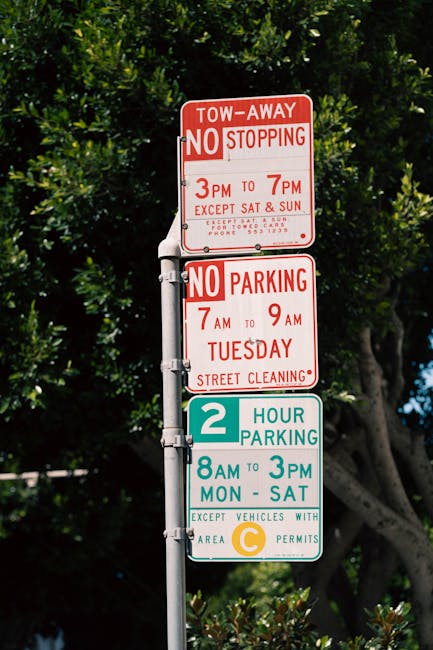
Do I need a permit for Dalston skip hire? Local rules
If you are hiring a skip in Dalston, the first question is usually the practical one: do I need a permit for Dalston skip hire? Local rules can feel a bit fiddly at first, especially if you are dealing with a narrow street, shared access, or a spot where parking is already tight. The good news is that the answer is usually straightforward once you know where the skip will sit and who controls the land beneath it.
This guide breaks it all down in plain English. You will learn when a permit is usually needed, when it is not, how the process typically works, what councils and highway teams are trying to protect, and the common mistakes that cause delays. If you are planning a clear-out, a renovation, or a move, this should help you make the right call without second-guessing every detail.
For readers also comparing skip hire with other moving options, it can help to look at broader support too, such as removal services, man and van, or even full removals if the job is bigger than expected.
Table of Contents
- Why Do I need a permit for Dalston skip hire? Local rules Matters
- How Do I need a permit for Dalston skip hire? Local rules Works
- Key Benefits and Practical Advantages
- Who This Is For and When It Makes Sense
- Step-by-Step Guidance
- Expert Tips for Better Results
- Common Mistakes to Avoid
- Tools, Resources and Recommendations
- Law, Compliance, Standards, or Best Practice
- Options, Methods, or Comparison Table
- Case Study or Real-World Example
- Practical Checklist
- Conclusion
- Frequently Asked Questions
Why Do I need a permit for Dalston skip hire? Local rules Matters
The short answer is this: if a skip goes on a public road, pavement, verge, or any highway land, a permit is usually required. If it stays entirely on private property, such as a driveway or a private yard, a permit is often not needed. That simple distinction matters a lot in Dalston, because local streets can be busy, space can be tight, and even a small skip can affect traffic flow, parking, and pedestrian access.
Let's face it, Dalston is not the sort of place where you can just park something big and hope for the best. A skip left in the wrong spot can block residents, frustrate neighbours, or create a safety issue before the first bit of rubble even goes in. And if the skip is placed without permission, the result can be more hassle than the original project. Nobody wants that. Especially not on a Monday morning, with a half-stripped hallway and dust everywhere.
Local rules exist to keep things orderly and safe. They usually cover where the skip can sit, how it must be marked, how long it can stay there, and whether extra safety measures are needed at night. Some areas also take a close look at narrow roads, bus routes, junctions, or places where sightlines matter. So the permit is not just paperwork. It is part of making sure the skip hire works for you without causing avoidable disruption around it.
If your project is tied to a move or property clearance, it may also be worth exploring home moves or house removals for a more joined-up approach. Sometimes the smallest logistical decision saves the biggest headache.
How Do I need a permit for Dalston skip hire? Local rules Works
In practice, the permit question comes down to location first, and timing second. If the skip will be on a road, the hire company usually needs to arrange the permit before delivery, or at least as part of the booking process. Some companies handle this for you. Others may ask you to apply or confirm details. The important part is not to leave it until the day before. That is when everyone starts speaking in rushed phone calls and vague estimates.
Here is the basic logic:
- Private land such as a driveway, forecourt, or private car park: permit usually not required.
- Public highway land such as the road, curbside, or pavement: permit usually required.
- Obstructed access or unsafe positioning: even if a permit is possible, the location may not be suitable.
In Dalston, the real challenge is often not the permit itself but the placement. A skip may fit on paper and still be awkward in real life if there is no loading space, if residents rely on a tight stretch for access, or if there is already heavy parking pressure. Sometimes the answer is to use a smaller skip, a different delivery time, or an alternative service such as man with van removal or moving van if the waste volume is lighter than expected.
A permit usually has conditions attached. Common examples include reflective markings, lights if the skip is on the road after dark, and clear positioning so drivers and pedestrians can see it. The exact requirements depend on the local authority and the road type, so it is worth checking carefully before delivery. Not glamorous, admittedly, but very necessary.
Key Benefits and Practical Advantages
Hiring a skip with the right permit, where needed, is not just about avoiding penalties. It creates a smoother project overall. That may sound obvious, but in real life it can be the difference between a tidy, controlled clear-out and a week of patching around delays.
Key advantages include:
- Fewer delays because the skip arrives in the right place at the right time.
- Better safety for pedestrians, residents, and drivers.
- Less risk of enforcement action if the skip is on public land.
- More efficient loading when the skip is placed close to the work area.
- Less stress because the legal and practical side is sorted before the messy part begins.
There is also a very simple benefit that people underestimate: a properly arranged skip lets you keep momentum. You clear a room, fill the skip, move on. No stacking waste in the hallway for three days. No staring at a pile of broken shelves and wondering where it will all go. That rhythm matters, especially during renovations or moving week.
For larger jobs, especially where access is a factor, support from movers or a broader removal company may be a better fit than trying to solve everything with a skip alone. It depends on the load, the location, and how much lifting you want to do yourself. Honestly, sometimes the smart move is the less dramatic one.
Who This Is For and When It Makes Sense
This topic matters for a wide range of people. It is not just for builders. In Dalston, skip hire comes up in ordinary life more often than you might think.
You may need to think about a permit if you are:
- clearing out a flat before a move;
- disposing of renovation waste after a kitchen or bathroom update;
- dealing with bulky furniture and household rubbish;
- managing waste from a small commercial refurbishment;
- handling landlord, tenant, or end-of-tenancy clearance work;
- working on a project where driveway access is limited.
It also makes sense for anyone who does not have space on private land. That is common in terraced streets, converted flats, or homes with no front drive. In those cases, a skip on the highway may be the only practical option. Of course, that is exactly where the permit question becomes unavoidable.
If you are a business planning a fit-out or office clearance, the same basic rule applies, but the logistics can be more complex. For that kind of job, it may be useful to compare skip hire with commercial moves or office removals, especially if you are shifting equipment, furniture, and waste at the same time.
Step-by-Step Guidance
Here is a simple way to work through it without overthinking the whole thing.
- Check where the skip will go. If it is wholly on private land, you may not need a permit. If it will touch a public road or pavement, assume a permit is likely.
- Measure the space properly. Make sure there is enough room for delivery, loading, and safe access around the skip. Tight streets can be deceptive.
- Identify any restrictions. Look out for parking controls, narrow bends, busier roads, or nearby junctions. These can affect placement even when a permit is possible.
- Speak to the hire company early. Ask whether they arrange the permit, what information they need, and how long approval may take.
- Confirm the waste type. Not all waste can go in a skip. Mixed building waste, soil, plasterboard, and heavy materials may be handled differently.
- Book with a realistic timeline. Leave enough time for permit processing, delivery, and collection. A same-day miracle is rare. Would be nice, though.
- Check the conditions on arrival. If the skip is on the road, make sure markings, lighting, and positioning match the agreed setup.
A useful habit is to take a quick photo of the intended location before delivery. That gives you a record of the space, the access, and any nearby obstructions. It sounds simple, but on busy streets it can save a lot of back-and-forth later.
For households juggling packing, furniture, and waste at the same time, a mix of services can be more efficient. Many people pair waste removal with packing and unpacking services or furniture pick up when they are trying to clear space quickly without doing everything themselves.
Expert Tips for Better Results
In our experience, the smoothest skip hires are the ones planned around access, not just capacity. The skip size matters, yes, but where it sits often matters more.
A few practical tips:
- Choose the smallest skip that fits the job. Bigger is not always better if it blocks the road or becomes awkward to place.
- Think about loading height. If you are lifting bulky waste, a lower-sided skip may be easier and safer.
- Leave room for the vehicle. Delivery trucks need space to manoeuvre, especially on tighter Dalston streets.
- Sort waste before delivery. The faster you can load, the less time the skip occupies valuable space.
- Protect the pavement or driveway where needed. Boards or careful placement can prevent unnecessary damage.
- Plan around neighbours. A quick heads-up can prevent awkward knocks on doors later.
One small but useful detail: if your road is busy in the morning, delivery later in the day may be less stressful. Around 8am, when everyone is leaving in a rush and bins are out, a skip drop can feel like it is arriving in the middle of a minor traffic opera. Better to avoid that if you can.
If your project involves moving heavy items rather than waste, a dedicated vehicle may be more useful than a skip. Options like removal van or removal truck hire can be a better fit for furniture or boxed goods that need transporting, not disposing.
Common Mistakes to Avoid
Most skip-hire problems are avoidable. They usually happen because someone assumes the rules are the same everywhere, or because they leave things too late. Dalston, like much of inner London, rewards good planning and punishes casual assumptions.
Watch out for these mistakes:
- Assuming a permit is optional when the skip will be on a public road.
- Booking the skip before checking access and then discovering it cannot be placed safely.
- Ignoring permit lead times and expecting instant approval.
- Overfilling the skip, which can create safety and collection issues.
- Using the wrong skip for the waste type, especially for heavy or restricted materials.
- Forgetting about lighting or markings if the skip stays out after dark.
- Not checking collection timing, which can leave the skip sitting longer than necessary.
The biggest mistake? Probably not asking enough questions at the start. A five-minute conversation about the site can prevent a five-day nuisance. And yes, it feels slightly annoying to have to check, but that is still better than scrambling when the delivery lorry is already on the street.
Tools, Resources and Recommendations
You do not need fancy tools to sort a skip permit issue, but you do need a few practical pieces of information before you book.
Useful things to have ready:
- the full delivery address;
- a description of where the skip will sit;
- photos of the street or driveway;
- approximate waste volume;
- the type of waste you are clearing;
- preferred delivery and collection dates;
- any known access problems, such as narrow gates or parking restrictions.
It also helps to think beyond the permit. If the job is tied to a house move, for example, you may want to compare skip hire with broader support from house movers or man with van. Not because one is better in general, but because the right option depends on what you are actually moving or clearing.
For customers who want peace of mind around service standards, it is sensible to review practical business pages too, including health and safety policy, insurance and safety, and terms and conditions. Those pages help set expectations before anything turns up at the kerb.
Law, Compliance, Standards, or Best Practice
When people ask about permits, they are really asking two things: what is legally allowed, and what is considered best practice. The answer is that both matter. A permit is typically tied to road occupancy rules and local highway control, while safe placement is about keeping public access, vehicles, and pedestrians protected.
Best practice usually includes:
- placing the skip so it does not create an obstruction;
- keeping routes clear for pedestrians and wheelchairs where possible;
- using visibility markings where required;
- making sure the skip is stable and level;
- avoiding placement that blocks sightlines at junctions or crossings;
- arranging the permit before the skip arrives.
There can also be practical differences between a public highway and private land. On private land, the landowner's permission is the key issue. On public land, the relevant authority's rules come into play. That distinction is crucial, and it is where a lot of confusion starts. A skip sitting partly on the kerb, even if the front wheels of a vehicle are not blocked, may still be treated as occupying the highway. So yes, details matter.
For commercial customers, compliance becomes even more important because the project may involve staff, customers, deliveries, or public footfall. In those situations, it may be worth reviewing office relocation services alongside waste planning, especially if there is a time-sensitive move and you cannot afford access issues.
Options, Methods, or Comparison Table
Sometimes the smartest choice is not simply "get a skip" or "do not get a skip." It is choosing the right waste-handling method for the street, the volume, and the urgency. Here is a simple comparison to help with that decision.
| Option | Best for | Permit needed? | Main advantage | Potential drawback |
|---|---|---|---|---|
| Skip on private land | Homes with a driveway or private yard | Usually no | Simple and convenient | Needs enough space |
| Skip on public road | Properties without private access | Usually yes | Close to the work area | Requires permit and careful placement |
| Man and van waste removal | Smaller clear-outs or mixed items | No skip permit | Flexible and fast | Less suitable for large debris volumes |
| Removal van or truck hire | Transporting furniture or goods | No skip permit | Good for moving items, not dumping them | Not ideal for loose waste |
The right choice depends on your actual workload. If it is mostly broken cupboards, floorboards, and old tiles, a skip can make sense. If it is furniture, boxes, and a few bagged items, a vehicle-based option may be far more practical. If you are unsure, that is normal. Really normal. A quick sense-check now is better than an expensive guess later.
Case Study or Real-World Example
Picture a typical Dalston flat clearance. Two people are moving out after a long tenancy. They have a bed base, a broken chest of drawers, several bags of mixed waste, and some old kitchen bits from a small refresh. At first they think a skip on the street will be easiest, but the road is already busy and there is no driveway. A permit would be needed.
After checking the access, they realise the smaller issue is not waste volume but timing. The street gets crowded early, so a skip delivery in the middle of the day would be awkward. They decide to combine a smaller waste solution with a separate move using a man with a van service for the furniture, while the waste is handled through a compliant skip arrangement. The result is far less disruption, and they avoid leaving bulky items outside overnight.
That kind of mixed approach is often the smartest one. Not always, but often. The key lesson is simple: do not treat skip hire as a one-size-fits-all answer. In a place like Dalston, space and timing are part of the plan, not afterthoughts.
Practical Checklist
Use this quick checklist before you book.
- Have you confirmed whether the skip will sit on private land or public road space?
- Have you checked if a permit is likely to be needed?
- Have you measured the access area properly?
- Have you told the hire company about narrow streets, parking controls, or other restrictions?
- Have you chosen the right skip size for the waste?
- Have you allowed enough time for permit processing and delivery?
- Do you know what cannot be put in the skip?
- Have you planned for loading, collection, and any lighting or marking requirements?
- Have you compared the skip with other options, such as removals near me or vehicle-based waste transport if the job is mixed?
- Have you got a fallback plan if access changes on the day?
If you can tick most of those boxes, you are in good shape. If not, no drama. It just means you are still in the planning stage, which is exactly where these decisions should happen.
Conclusion
So, do you need a permit for Dalston skip hire? In many cases, yes, if the skip is going on a public road or pavement. If it stays on private land, you may not need one. The real job is checking the placement early, understanding local access limits, and choosing the right waste solution for the space you actually have.
That is the heart of it. The permit is not there to complicate things; it is there to keep the street safe and the project moving. Once you see it that way, the process becomes much easier to manage. A little planning now can save a lot of frustration later, and in a busy part of London, that is worth its weight in cleared space.
If you want a smooth, well-planned approach to your next move or clearance, start by sorting the logistics before the rubbish piles up. It really does make life calmer.
Get a free quote today and see how much you can save.
Frequently Asked Questions
Do I need a permit for a skip on the road in Dalston?
Usually, yes. If the skip will be placed on a public road, pavement, or other highway land, a permit is generally required. The exact process depends on local rules and the hire company's arrangements.
Do I need a permit if the skip stays on my driveway?
Usually not, provided the skip stays entirely on private property and does not overhang onto the public highway. It is still worth checking access and space before booking.
How long does a skip permit usually take?
It can vary. Some permits are arranged quickly, while others need more lead time. The safest approach is to ask early and not leave it until the day before delivery.
Can I put a skip partly on the pavement?
That is risky. If any part of the skip sits on public land, a permit may still be needed, and the location may need to meet safety requirements. Always confirm before delivery.
Who arranges the permit, me or the skip company?
It depends on the provider. Many companies handle the permit process, but some may ask you to supply information or make the arrangement yourself. Check this before you book.
What happens if I put a skip out without the right permit?
You could face enforcement action, delays, or removal of the skip. It can also create safety and access issues for neighbours and road users, which nobody wants.
Are there special rules for narrow streets in Dalston?
There can be practical restrictions, especially where parking, access, or visibility is limited. Narrow streets often need more careful planning, even if a permit can be granted.
Do I need a permit for a commercial skip hire job?
If the skip is on public land, yes, the same general principle applies. For business sites, it is also wise to check access, footfall, and loading times carefully.
Can I leave a skip out overnight?
Sometimes yes, but it may need visibility markings or lighting if it is on the highway. The exact conditions depend on the permit and local requirements.
Is skip hire better than a man and van service?
It depends on the waste. Skip hire is often better for bulky, loose, or mixed construction waste. A man and van removals service may suit smaller, quicker clear-outs or mixed transport jobs.
What if I only have a few bulky items?
If the load is small, you may not need a skip at all. A service such as furniture pick up or a removal vehicle may be more efficient and less hassle.
How do I avoid permit problems in Dalston?
Check the exact placement, allow time for approval, tell the hire company about any access problems, and do not assume that a road-side spot is automatically fine. That small bit of homework pays off.
For more background on working practices, service expectations, and customer care, you may also want to review about us and recycling and sustainability. They help set the wider picture, especially if you are trying to keep a project efficient and responsible from start to finish.