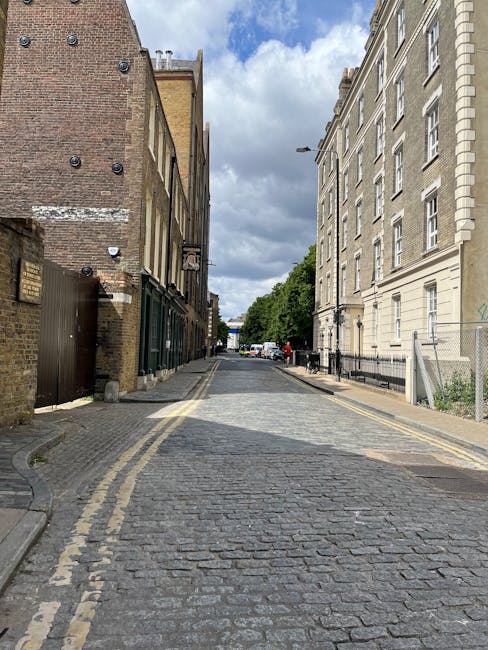
Stoke Newington Road moves: handling tight access in Dalston
Posted on 14/06/2026
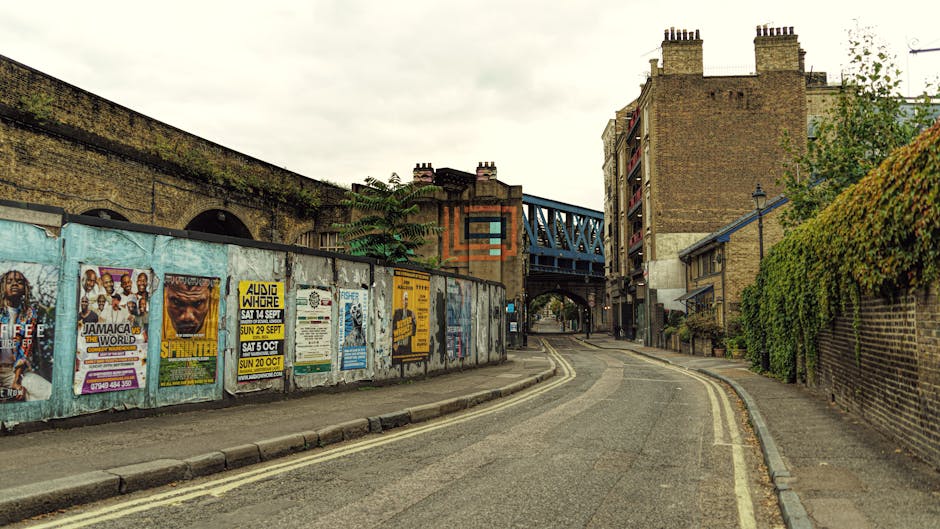
Moving in Dalston is rarely a straight, open-driveway kind of job. If you are dealing with Stoke Newington Road moves and tight access, you already know the sort of obstacles that can turn a simple relocation into a slow, awkward shuffle: narrow front steps, parked cars, shared hallways, awkward turns, and vans that cannot quite get where you want them. It is the kind of move that rewards calm planning more than brute force.
This guide breaks down what handling tight access in Dalston actually involves, how to prepare properly, and where the common tripwires are. Whether you are moving out of a flat, a terrace, or a small business unit near the road, the goal is the same: protect your belongings, reduce delays, and make the day feel manageable. To be fair, a bit of local know-how goes a long way here.
For readers who are still in the early planning stage, a few supporting reads may help as well, especially on keeping the move less stressful, packing with more structure, and clearing clutter before relocation.
- Why tight access matters on Stoke Newington Road
- How a tight-access move is planned and executed
- Key benefits and practical advantages
- Who this is for and when it makes sense
- Step-by-step guidance
- Expert tips for better results
- Common mistakes to avoid
- Tools, resources and recommendations
- Law, compliance, standards and best practice
- Options, methods and comparison table
- Case study or real-world example
- Practical checklist
- Conclusion
- Frequently asked questions
Why Stoke Newington Road moves: handling tight access in Dalston Matters
Dalston has a very particular moving-day personality. Some streets are busy and layered with traffic; others have tight frontages, narrow stairwells, and entrances that seem designed by someone who had never seen a wardrobe. On Stoke Newington Road, the issue is not just space. It is timing, foot traffic, loading distance, and the knock-on effect of getting one part of the move slightly wrong.
Tight access matters because it changes the whole shape of the job. A one-hour move can become a three-hour move if the van has to park far away, if the lift is too small for larger furniture, or if a sofa has to be twisted through a doorway at an angle that feels improbable. And once the team starts improvising, the risk of knocks, scrapes, and fatigue rises quickly.
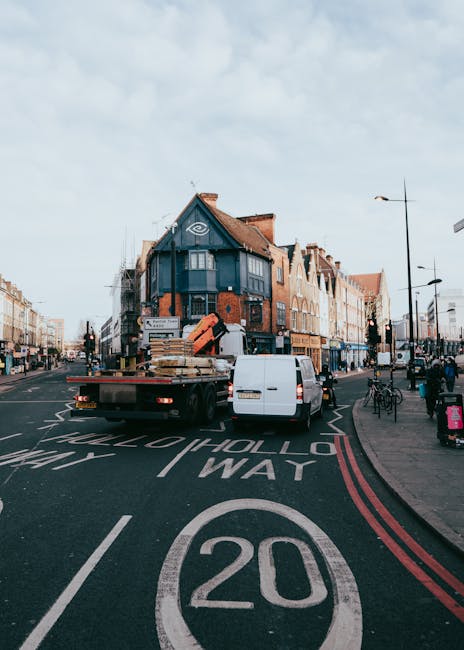
There is also a local realism to it. In busy parts of Dalston, you are often working around passing pedestrians, delivery vehicles, cyclists, and neighbours who are trying to get on with their day. The move has to work around the street, not against it. That is why a plan built around access, not just volume, makes such a difference.
Expert summary: in tight-access moves, the real win is not speed for its own sake. It is sequencing: park smart, reduce carries, protect the awkward items early, and keep the route from property to van as clear as possible.
This is also where local experience matters. A team that understands the common pinch points around Dalston will usually know how to reduce wasted steps, when to split loads, and when a smaller vehicle or a man and van setup is simply the better fit. If you want to see the wider service picture, the services overview is a sensible place to start.
How Stoke Newington Road moves: handling tight access in Dalston Works
Handling a tight-access move is really a chain of small decisions. Each decision either saves time or creates friction. The process usually starts before moving day, when the property, the street, and the access route are assessed. That includes door widths, stair turns, ceiling height on landings, the size of the lift if there is one, and the distance from the front door to the nearest realistic parking spot.
Then comes the load strategy. Large items such as wardrobes, mattresses, sofas, and desks are identified early, because those pieces often determine whether the move needs extra hands, more protection, or a different route out of the building. Smaller items can be stacked and grouped, but bulky items need a clear plan. If you have a piano, the margin for error drops sharply; it is worth reading why DIY piano moving can lead to disaster before anyone decides to wing it.
On the day itself, good crews tend to work in a sequence: protect, clear, carry, load, and re-check. The carrier route is kept as short as possible. Corners are protected with blankets or edging. Items are moved in the order that reduces obstruction, not necessarily the order in which they were packed. It sounds obvious, but in the real world people forget and start from the wrong end of the problem. Happens all the time.
One detail often overlooked is the "handover zone" outside the property. If the van cannot sit directly outside, there should still be a clean area where items can be set down briefly without blocking pedestrians or forcing the team to backtrack. That little staging area can save a lot of chaos, especially on a road where the curbside situation changes fast.
For moves involving particularly heavy items, a better lifting technique matters as much as distance. The basics are covered in the science behind kinetic lifting and solo strategies for heavy object lifting success, both of which are useful if you are trying to avoid strain before the van has even arrived.
Key Benefits and Practical Advantages
When tight access is handled properly, the benefits are not abstract. You feel them on moving day. The operation is quieter, cleaner, and far less frantic. Items arrive with fewer bumps and no unnecessary rehandling. The team spends less time carrying things twice, which is exactly the sort of thing that eats away at both energy and budget.
Some of the biggest practical advantages include:
- Shorter loading times because the route is planned before lifting starts.
- Lower damage risk thanks to proper protection and fewer awkward manoeuvres.
- Better use of labour because everyone knows what they are moving and in what order.
- Less stress for you, especially if you are juggling keys, cleaning, or handover timings.
- Fewer street-level complications when the van is positioned sensibly.
There is another benefit that tends to get overlooked: better access planning often makes the whole day feel more respectful of the property itself. Hallways, walls, bannisters, and door frames all get treated as part of the job rather than as obstacles to shove past. That mindset matters in older Dalston buildings, where a slight misjudge can leave a very visible mark.
If your move involves furniture that needs extra care, the furniture removals Dalston service may be a good fit. For sofas specifically, there is a helpful guide on sofa protection and storage preparation, which is worth a look if your living room is full of large pieces that need handling with a bit of patience.
Who This Is For and When It Makes Sense
This kind of move is not just for people on the busiest roads. It makes sense anywhere access is restricted, but Stoke Newington Road and the surrounding Dalston streets are a classic example because access limitations often show up in several places at once: on-street parking, stair access, shared entrances, and less-than-generous lift space.
You will probably benefit from tight-access planning if you are:
- moving from or into a flat with narrow stairs or a small landing;
- dealing with terraced housing and limited frontage;
- moving furniture that cannot easily be broken down;
- relocating at a busy time of day;
- managing a same-day move where timing is tight;
- moving with children, pets, or a lot of box traffic underfoot;
- trying to move without blocking neighbours or the pavement.
Students, renters, and first-time movers often underestimate how quickly a "small" flat move can become awkward once you add a sofa, mattress, desk, and a couple of heavy boxes that are strangely harder to carry than they look. If that sounds familiar, take a look at student removals in Dalston and flat removals Dalston for a better sense of the right scale of support.
It also makes sense for smaller office moves. Offices often have bulky desks, monitors, archive boxes, and awkward IT equipment. Tight access does not care whether it is a home or a workplace; the wall corner still wins if you are careless.
Step-by-Step Guidance
Here is a practical way to handle a move with tight access without letting the day run away from you.
- Measure the route properly. Check door widths, stair turns, hallway bottlenecks, ceiling height on landings, and the space available for parking or loading. If a bulky item only just fits, assume it does not fit until proved otherwise.
- Identify the awkward items first. Beds, wardrobes, sofas, fridges, washing machines, pianos, and large desks should be listed before anything else. They shape the rest of the plan.
- Clear the moving path. Remove shoes, plant pots, bins, loose rugs, bike locks, and anything else that may create a trip point. A clear corridor makes a remarkable difference.
- Pack smaller items into manageable loads. Keep boxes balanced and label them clearly. If you are still working through the packing stage, packing like a pro is useful background.
- Protect the property. Use blankets, edge protection, and floor coverings where needed. This is not overkill. It is common sense in a confined space.
- Position the van strategically. Choose the closest safe stopping point, even if it means slightly more planning beforehand. A better parking spot often saves far more time than it costs.
- Load in the right order. Heaviest and most awkward items usually go first, but only if that helps stabilise the rest of the load. The point is balance, not brute force.
- Keep a fallback plan. If an item will not turn or lift cleanly, be ready to remove a door, re-angle the route, or split the load. Tiny changes can solve big headaches.
One practical tip that sounds too simple until you use it: do the first walk-through with empty hands. You notice the route differently when you are not already carrying a box. The first time I saw this done well, the mover stopped halfway up a narrow stairwell, looked back, and simply said, "Nope, that chair is coming up the other way." Sensible. Efficient too.
For people dealing with larger household items, bed and mattress relocation and piano removals Dalston are both relevant when a standard carry just will not do the job.
Expert Tips for Better Results
Good access planning lives in the details. Here are the sorts of things that make a move noticeably smoother.
- Choose the right time of day. Early slots often work better on busier roads because traffic and pedestrian flow are lighter. Even thirty minutes can make a difference.
- Leave space for surprises. A cupboard that looked straightforward in the flat can be unexpectedly awkward once it reaches the stairwell. It happens.
- Use smaller boxes for heavy items. Large boxes are tempting, but they become dangerous if overfilled. Books and crockery do not need a heroic box.
- Keep a phone charged and accessible. You may need to confirm parking, entry details, or timing updates quickly.
- Pre-disassemble where possible. Removing legs, shelves, and detachable parts can transform a difficult item into a straightforward one.
- Set aside essentials separately. Keys, documents, chargers, medications, and a kettle should not be buried under the last box you packed. That is a classic regret.
There is also a judgment call around storage. If the access issue means you are not moving everything in one go, temporary storage can reduce pressure on the route and the schedule. The storage Dalston option is worth considering if you need breathing room rather than a rushed all-at-once unload.
For a more complete approach to moving day calm, the article on stress-free moving habits complements this one nicely.
Common Mistakes to Avoid
Most problems on tight-access moves are predictable, which is frustrating in a way. The good news is that predictable problems can be avoided.
- Assuming the van can park "somewhere nearby". Nearby is not a plan. You need a realistic loading position.
- Ignoring the staircase geometry. One awkward turn can matter more than three straight flights of stairs.
- Packing everything before checking the route. If a bulky item cannot come out without disassembly, you want to know before moving day.
- Overloading boxes. This creates lifting problems, slows the move, and increases the chance of dropped items.
- Leaving clutter in the exit path. Even one shoe rack in the wrong place can become the thing everyone trips over.
- Trying to force oversized furniture through a small gap. If it needs an impossible angle, stop and reassess.
- Not checking building rules or access arrangements. Shared blocks, managed properties, and office buildings may have their own expectations about loading and entry.
One more thing: do not treat all furniture as if it is the same kind of problem. A wardrobe, a fridge, and a piano are all awkward, but they are awkward in different ways. That may sound obvious, yet people make this mistake all the time and then wonder why the move suddenly feels harder than it should.
When in doubt, read the practical guidance around heavy object lifting before attempting anything ambitious with limited access.
Tools, Resources and Recommendations
You do not need a giant toolkit, but the right basics help enormously. In tight spaces, the right accessory can save a wall, a back, or both.
| Tool or item | Why it helps | Best used for |
|---|---|---|
| Furniture blankets | Protects surfaces from scuffs and corner knocks | Sofas, tables, cabinets, appliances |
| Straps | Improves control and load stability | Heavy or awkward items |
| Gloves with grip | Reduces slipping and improves handling | Boxes, metal frames, furniture edges |
| Floor protection | Helps protect hallways and hard floors | Shared entrances, narrow routes, staircases |
| Labels and marker pens | Makes item sorting and unloading faster | Box organisation and room placement |
On the planning side, a few resources can improve your overall move preparation. If you are deciding whether you need full support or a lighter setup, the pages for man and van Dalston, man with a van Dalston, and removal van Dalston are useful starting points. For a broader picture, there is also removal services Dalston and the more general removals Dalston page.
If you are a tenant, it can also help to think about end-of-tenancy cleanup and final access. A clean, uncluttered route makes both moving and handover easier. The guide on preparing your old home before departure fits that stage well.
Law, Compliance, Standards, or Best Practice
For most home moves, the practical side matters more than legal complexity, but you should still keep a few UK norms in mind. If parking arrangements are involved, it is sensible to respect local restrictions, loading rules, and any property-specific instructions. In shared blocks or managed buildings, access permissions and lift bookings may also matter. None of that is glamorous, but it prevents trouble.
Health and safety is the big one. A competent move should reduce manual handling risk, not increase it. That means sensible lifting, adequate team numbers for heavy items, and a refusal to force items through unsafe gaps. It also means protecting not just belongings but the route itself. A dented wall or a damaged bannister can easily become the most expensive part of an otherwise ordinary day.
In professional terms, best practice usually includes risk awareness, clear communication, appropriate insurance cover, and a careful approach to the load. If you are comparing providers, it is worth checking how they approach safety, access planning, and liability before you commit. The pages on insurance and safety, health and safety policy, and terms and conditions are useful because they show the kind of safeguards a careful operator should have in place.
If you need reassurance about how bookings and payments are handled, payment and security is also relevant. Simple, but important.
Options, Methods, or Comparison Table
Not every tight-access move needs the same approach. The right method depends on the size of the property, the volume of items, and how restricted the route is. Here is a straightforward comparison.
| Method | Best for | Pros | Trade-offs |
|---|---|---|---|
| Full removals team | Larger home moves, difficult access, heavier furniture | More hands, better control, quicker loading | Usually more coordination needed |
| Man and van setup | Smaller moves, student flats, lighter household loads | Flexible, efficient, good for short-distance moves | May be less suited to very bulky items |
| Same-day support | Urgent moves, sudden access problems, last-minute changes | Fast response, practical for short-notice needs | Less time for detailed prep, so planning still matters |
| Storage-first approach | When access is limited or dates do not line up cleanly | Reduces pressure on moving day | Requires extra handling and short-term planning |
If your move is time-sensitive, especially around transport links or a busy road, the page on timing around Dalston Kingsland Station may help you avoid the worst of the rush. For road-specific planning, best removal routes around Ridley Road Market is another useful local read.
Case Study or Real-World Example
Imagine a two-bedroom flat on or near Stoke Newington Road with a narrow stairwell, a standard sofa, a double bed, a desk, and several boxes of books. Nothing outrageous. But the front entrance is tight, the parking outside is unpredictable, and the landing turns are just awkward enough to make everyone pause.
In a well-planned version of that move, the team would start by clearing the stair route and checking the sofa dimensions against the narrowest point in the property. The bed frame might be disassembled the night before. Books would be moved in smaller, balanced boxes rather than packed into a few heavy ones. The van would be placed as close as possible without blocking the road or creating a hazard. The most delicate items would go out first, while the heaviest items would be moved in a sequence that avoids re-handling.
Now compare that with the less organised version: boxes stacked randomly, no measured route, no thought for parking, and a sofa that everyone assumes will "just fit." That is the sort of day where people start sweating before 9 a.m., tempers rise, and somebody ends up saying, with a kind of defeated laugh, "Well, that was optimistic."
The practical difference is not just convenience. It is the difference between a move that feels controlled and one that feels like a series of small emergencies. If you are moving items with unusual weight or shape, the right approach can spare a lot of unnecessary strain. And yes, it really does make the day feel less long.
Practical Checklist
Use this checklist a day or two before the move, ideally while you still have enough energy to do something about the answers.
- Measure key access points: doors, stairs, landings, and any lift space.
- Confirm the best parking or loading position for the van.
- Identify the largest and heaviest items separately.
- Disassemble what you reasonably can in advance.
- Pack heavy items into smaller boxes.
- Label boxes by room and priority.
- Protect floors, walls, corners, and furniture edges.
- Clear hallways, entrances, and exterior walkways.
- Keep keys, chargers, and documents in one easy-to-reach bag.
- Check whether storage or same-day support may help if timing is tight.
- Review access notes with anyone helping on the day.
- Have water, gloves, and a phone charger ready. Small things, but they matter.
If your move turns out to need more flexibility than you first expected, same-day removals Dalston can be a sensible backup route. And if the job is bigger than a quick favour from friends can handle, a look at removal companies Dalston may help you compare support levels.
Get a free quote today and see how much you can save.
Conclusion
Stoke Newington Road moves in Dalston ask for a little more care, a little more planning, and a much more honest look at access than most people expect. But once you treat the route, the parking, and the awkward furniture as the main event rather than the sideshow, everything becomes easier to manage.
The best moves are rarely the ones that look dramatic from the outside. They are the ones that feel steady, with each decision made early enough to matter. Measure properly, pack sensibly, protect the route, and give yourself a bit of breathing room if the street or the staircase is working against you. Simple enough in theory, sure. In practice, it is what saves the day.
And if you do it well, you will notice something lovely at the end: the final box comes in, the door closes, and there is that quiet moment where the whole thing finally exhales. That is the bit worth aiming for.