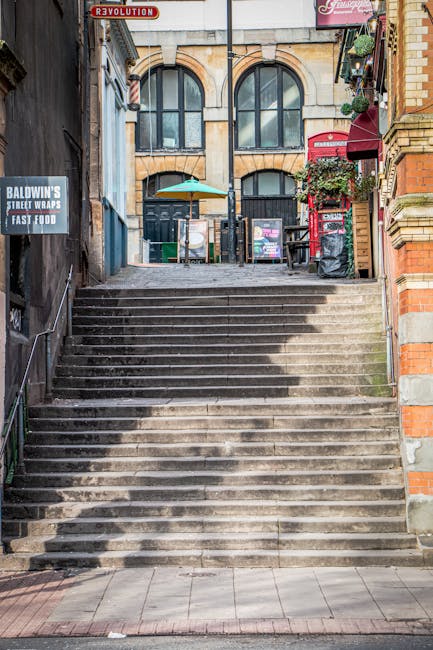
Stairs and narrow turns: moving out of Dalston terraces
Posted on 29/05/2026
Dalston terraces have a lot going for them: character, charm, proper London light, and often a layout that has survived more than one generation of changing tastes. The catch? Moving out of them can be awkward. Very awkward. If your route includes steep stairs, a tight hallway, or a turn that seems to shrink the moment a sofa appears, this guide on stairs and narrow turns: moving out of Dalston terraces is for you.
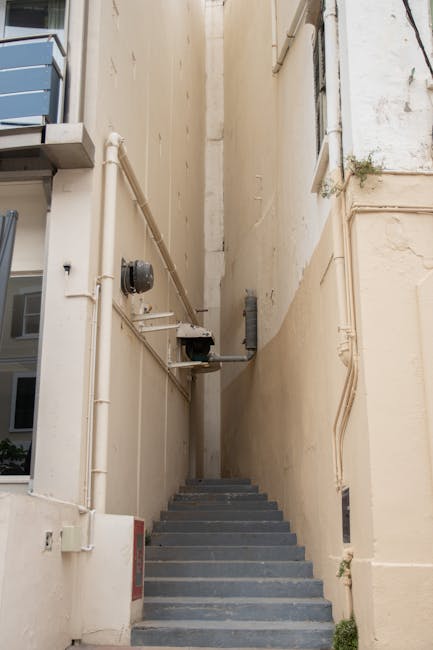
The real problem is not just the weight of the furniture. It is the shape of the building, the angle of the stairwell, the way bannisters jut out, and that slightly unforgiving corner where every piece of furniture seems to test your patience. In this article, we'll walk through the practical side of planning, lifting, protecting, and deciding when to bring in proper help. No fluff. Just the stuff that actually saves time, reduces damage, and makes the move feel less like a small disaster.
If you want a broader moving plan before you start, it can help to read packing like a pro for house moves and practical ways to reduce moving-day stress. For heavy pieces specifically, the basics of safer lifting are well worth a look too.
Why Stairs and narrow turns: moving out of Dalston terraces Matters
Moving out of a terrace home is a different job from moving out of a modern block with a lift and wide corridors. Terrace houses and flats in Dalston can have narrow staircases, landing turns that feel almost decorative in size, and front doors that open straight onto the pressure of the street. That all changes the moving process.
Why does it matter so much? Because one bad angle can turn a normal sofa move into a wall-scuffing, time-draining struggle. A bed frame may appear easy until you discover the stairwell only allows a partial tilt. A wardrobe may be fine in the bedroom but impossible to rotate at the landing. Truth be told, the building geometry often decides the whole day.
There is also the issue of safety. Tight turns increase the chance of knocks, slips, strained backs, and scratched woodwork. If you are moving something valuable or awkward, such as a piano, a heavy freezer, or a deep sofa, the risk goes up quickly. That is one reason many people look at furniture removals in Dalston rather than trying to muscle everything through a staircase that was never built for bulkier modern furniture.
For many households, this is not just about convenience. It is about protecting the deposit, keeping neighbours happy, and avoiding a move that drags on into the evening while everyone is tired and slightly irritable. You know the feeling: one person holding the door, one person twisting the sofa, and someone else saying, "No, the other way." Not ideal.
How Stairs and narrow turns: moving out of Dalston terraces Works
The trick is to treat the move like a route-planning exercise, not just a lifting job. First, you assess the item. Then you assess the route. Only after that do you decide on the method. That order matters.
In practice, the process usually works like this:
- Measure the large items such as sofas, mattresses, wardrobes, bookcases, and appliances.
- Measure the tight points: door widths, stair width, landing depth, ceiling height, and the awkward corner where the banister eats into the space.
- Decide what must be dismantled before anyone starts lifting.
- Protect the property with covers, blankets, and corner guards where needed.
- Assign roles so no one is improvising under pressure.
- Move one item at a time, keeping the route clear.
That sounds simple, and sometimes it is. But more often the reality is a bit fiddly. A mattress might clear the staircase only when turned edge-on. A chest of drawers may need the drawers removed to reduce weight and stop the frame flexing. If you have a long route to the van, the stairwell is only part of the job; the handoff from door to vehicle needs to be just as controlled.
For homes where the stairs are especially tight, many people combine route planning with a service like man and van Dalston or man with a van Dalston, especially when the move includes carrying items down several flights in a busy street environment.
Key Benefits and Practical Advantages
Getting the stair and corner strategy right does more than save your shoulders. It improves the entire move from the first box to the last bag.
- Less damage to paintwork, plaster, bannisters, doors, and the furniture itself.
- Less physical strain, especially on awkward descents where balance matters more than brute strength.
- Fewer delays because items do not need to be retried three times from different angles.
- Better coordination between helpers, which reduces mistakes and shouting. Usually.
- Cleaner decision-making on whether to dismantle, wrap, or carry an item as-is.
There is a quieter benefit too: confidence. Once you know a staircase has been measured and the worst turns have been checked, the whole move feels more manageable. People relax a little. They move more carefully. The job gets done with fewer surprises. That matters, especially if you are moving in a rush or balancing a work schedule at the same time.
For larger or more delicate belongings, it may also make sense to look at specialist support such as piano removals in Dalston or to review insurance and safety guidance before the move. A little planning now can prevent a lot of grief later.
Who This Is For and When It Makes Sense
This topic is relevant to anyone moving out of a terrace property with internal stairs, especially where the stairs are narrow, winding, steep, or bordered by old walls that do not leave much room to spare. In Dalston, that often means first-time renters, long-term tenants, students, and families moving from older properties that have been adapted over time.
It also makes sense if you are moving:
- heavy furniture through a split-level layout;
- white goods such as freezers or washing machines;
- large beds, mattresses, or bed frames;
- fragile items that cannot be bumped around; or
- anything awkward enough that two people instinctively start measuring with their eyes.
If your move is small and the staircase is forgiving, you may only need good packing and a couple of extra hands. If the route is tight, the front steps are steep, or the turning circle is limited, a more structured approach is the safer bet. In some cases, a same-day arrangement may help if you need to move quickly and do not have the luxury of multiple trips. See same-day removals in Dalston for that kind of short-notice situation.
Students and renters in particular often underestimate how much small staircases can complicate a move. A single mattress and a desk chair sound easy until the hallway corner disagrees. If that sounds familiar, student removals in Dalston may be a more sensible route than piecing it together alone.
Step-by-Step Guidance
Here is the practical sequence we would recommend. Keep it boring if you can. Boring is good on moving day.
1. Walk the route before lifting anything
Start at the room where the item sits and follow the path to the front door. Check every door frame, landing, stair turn, and step. If you have a tape measure, use it. If not, at least compare the item's widest point with the narrowest part of the route. The eye can lie. The tape is less romantic, but more reliable.
2. Remove obstacles and clutter
Clear shoes, plant pots, small tables, recycling bags, and anything else that could catch a heel or snag a box. A narrow staircase gets even narrower when there is clutter on the edges. For a fuller approach, it is worth reading how to clear clutter before relocating.
3. Dismantle what can be safely taken apart
Flat-pack furniture may come apart more easily than you think, but always keep the fasteners in labelled bags. Bed frames, table legs, headboards, and some shelving units are easier to manage in pieces. If you are moving a bed, the advice in this bed and mattress relocation guide can save a lot of head-scratching.
4. Wrap and protect surfaces
Use blankets, quilted covers, corner protectors, and tape only where it will not damage the finish. Protect both the item and the building. A quick scuff on a white wall can become a very visible issue in natural daylight, especially on older terraces where paintwork shows everything.
5. Plan the carry order
Move the easiest and most awkward items first? Sometimes yes, sometimes no. The best order depends on the route. If the stairwell is tight, get the most difficult item out while everyone still has energy and the team is in sync. If the route is more open, start with smaller items to clear space. There is no one-size-fits-all answer here.
6. Use the correct carrying position
For long items, tilt, rotate, and pivot rather than forcing a straight carry. One person may need to lead from the bottom, another from the top. Communication matters more than strength at the landing. A simple "pause" or "angle left" is often enough.
7. Load the van with the stair route in mind
Once items are out, load them in a way that makes unloading sensible. If you know which items need to come off first, place them last in the van. That little bit of thinking can save a second round of awkward lifting later.
Expert Tips for Better Results
The difference between a difficult move and a reasonably smooth one is often found in the small decisions. Not glamorous, but true.
- Take doors off if needed. A door removed for an hour can create the extra centimetres you need.
- Use gloves with grip. They help with control on painted bannisters and smooth appliance surfaces.
- Keep one person focused on the route. They do not lift; they guide. That role matters.
- Move in daylight if possible. It is easier to judge angles and spot hazards.
- Don't rush the turn. Narrow corners punish haste. Every time.
- Protect the exit path too. People often focus on the staircase and forget the front step or hallway tiles.
One small, practical point: if you are moving a sofa, take the cushions off first, then re-check the dimensions. It sounds obvious, but you would be surprised how often people try the full bulk first and then wonder why the corner is winning. For sofas specifically, good sofa protection and handling also helps keep the fabric clean while you squeeze through tight spaces.
Another tip? Keep a cloth or towel nearby for wiping hand marks off walls and doors as you go. It is a tiny thing, but it makes the old home look cared for when you leave. If you want that final clean sweep, this pre-move cleaning guide pairs neatly with stair-route planning.
Common Mistakes to Avoid
Most stair-related moving problems come from a few predictable errors. Easy enough to avoid once you know them.
- Not measuring first. Guessing with large furniture is how people end up halfway down the stairs and stuck.
- Forgetting the landing turn. Many items fit on the stairs but fail at the turn. That is the real trap.
- Trying to force a bulky piece through sideways pressure. It usually damages the item or the wall. Sometimes both.
- Underestimating weight. A compact wardrobe can feel manageable until the second flight.
- Using too many helpers without a leader. More people do not always mean more control.
- Leaving packing too late. If the item is still full of contents, it is heavier, less stable, and more likely to open at the worst moment.
There is also a mindset mistake: treating the move as a test of toughness. It is not. It is a logistics job. If you need another pair of hands, say so. If an item clearly needs dismantling, dismantle it. If the staircase looks too tight for the wardrobe, trust that instinct. Your back will thank you later, probably in a very unromantic way.
Tools, Resources and Recommendations
You do not need a van full of specialist gear, but a few proper tools make the work safer and calmer.
| Tool or resource | What it helps with | Why it matters on narrow stairs |
|---|---|---|
| Measuring tape | Checking furniture and route widths | Prevents guesswork on tight turns |
| Furniture blankets | Surface protection | Reduces scuffs on walls, banisters, and items |
| Grip gloves | Improved handling | Helps control during awkward pivots |
| Socket set / screwdrivers | Dismantling beds, tables, shelving | Turns one impossible item into several manageable parts |
| Labels and marker pens | Keeping parts organised | Saves time when reassembling at the new place |
For broader packing support, packing and boxes in Dalston is a useful place to start if you want proper materials rather than random supermarket boxes. And if you know your move will be more furniture-heavy than box-heavy, then a dedicated removal van in Dalston may be the better match.
If you are storing things between moves, especially bulky items, plan for protection before they go into storage. The guides on freezer storage and storage in Dalston can help you avoid damage and odours later on. Yes, the odd smell matters. Far too much, actually.
Law, Compliance, Standards, or Best Practice
For most house moves, there is no special law about how you should carry a sofa down a staircase. But there are still important expectations around safety, care, and reasonable working practice.
In the UK, anyone handling heavy loads should think carefully about manual handling risks. That means assessing whether the item should be lifted at all, whether it should be dismantled, and whether the route is safe enough. For shared buildings, you should also be mindful of keeping communal areas clear and not causing avoidable damage or obstruction. If you are in a terrace with shared access or close neighbours, this is more than politeness; it keeps the move from becoming a complaint.
Best practice usually includes:
- planning the route before moving;
- using enough people for the weight and shape of the item;
- avoiding overreaching on stairs;
- protecting floors, walls, and banisters;
- stopping if the load becomes unstable; and
- choosing professional help where the risk is clearly too high.
If you want reassurance about how safety is handled, the health and safety policy and insurance and safety information are useful pages to review before booking any moving support. And for general service expectations, the services overview gives a clearer picture of what is available.
Options, Methods, or Comparison Table
Not every move out of a Dalston terrace needs the same level of support. The right choice depends on your furniture, your staircase, your time, and how much risk you are willing to take on yourself.
| Method | Best for | Pros | Trade-offs |
|---|---|---|---|
| DIY with friends | Small moves, light furniture, generous access | Low cost, flexible | More risk on tight stairs, less consistent handling |
| Man and van support | Moderate moves with a few heavy items | Good balance of help and value | Still requires good planning and clear access |
| Full removals service | Larger homes, several bulky items, tight access | More structure, less stress, better coordination | Usually costs more than DIY |
| Specialist item handling | Pianos, oversized wardrobes, fragile or high-value pieces | More suitable equipment and experience | Only worthwhile if the item genuinely needs it |
If you are not sure which route fits your situation, a quick quote conversation can clarify things without commitment. It is often the simplest way to compare options. You can start with pricing and quotes and then decide whether removals in Dalston is the right scale for the job.
Case Study or Real-World Example
A typical Dalston terrace move might look like this: a two-bedroom flat on an upper floor, a narrow staircase with one sharp bend at the halfway point, and a sofa that looked perfectly normal in the living room but suddenly felt huge in the hallway.
The first attempt would often fail if the sofa were carried straight. The corner would catch, someone would start twisting too early, and the back end would bump the wall. Not dramatic, just annoying. The solution, in a real-world situation like that, is usually to stop, remove the cushions, check whether the legs can come off, and re-approach with the item angled from the landing rather than from the bottom of the stairs.
In one common scenario, the mattress and bed frame go first because they are easier to manage after dismantling. The heavy chest of drawers comes next once the route is clear. Finally, the awkward sofa comes out with one person guiding and one person supporting the main weight. It is slower than barging through, but much less stressful. And yes, usually less noisy too, which matters in a terrace where sound carries and neighbours can hear every thud.
That kind of planning is also why some people prefer to combine a general moving service with more specialised support. A bulky sofa may be handled through furniture removals, while a piano gets booked separately through specialist piano moving. Different items, different rules. Makes sense, really.
Practical Checklist
Use this before moving day, or at least before the first heavy item leaves the house.
- Measure furniture dimensions and route widths.
- Check stair turns, banisters, doorway clearances, and landing depth.
- Dismantle beds, tables, or shelving where possible.
- Remove loose drawers, cushions, shelves, and detachable feet.
- Pack small items so they do not fall out during lifting.
- Protect walls, corners, floors, and furniture surfaces.
- Assign one person to guide the route.
- Wear suitable shoes with grip.
- Keep the stair path clear of clutter.
- Load the van in reverse order of unloading.
- Pause if an item catches, twists, or feels unstable.
- Confirm whether any item needs specialist handling or insurance cover.
If you are still sorting the final details, reading about stress-free moving habits and safer solo lifting strategies can make the day feel a lot less chaotic. A bit of preparation goes a long way. Really does.
Get a free quote today and see how much you can save.
Conclusion
Moving out of a Dalston terrace with stairs and narrow turns is not impossible. It is just a job that rewards calm planning and punishes shortcuts. Measure the route, dismantle what you can, protect the property, and be realistic about what should be lifted by hand versus what should be handled with proper support.
The biggest win is usually not speed. It is control. When you know where the awkward turns are, the whole move stops feeling like guesswork and starts feeling manageable. A bit slower at the start, sure, but much smoother by the end. And that's the bit people remember most.
If you are weighing up how to handle a staircase-heavy move, take your time, ask the right questions, and choose the method that keeps people and property safe. That is the sensible move. The one that leaves you tired, maybe, but not beaten.