Hackney Council parking permits for Dalston movers
Posted on 30/06/2026
Hackney Council parking permits for Dalston movers: a practical guide for smoother moving day access
If you are moving in Dalston, parking can become the tiny detail that causes the biggest headache. A van arriving late, circling the block, or blocking a narrow street for too long can throw off the whole day. That is why understanding Hackney Council parking permits for Dalston movers matters so much. It is not just admin. It is the difference between a calm, well-timed move and a stressed, stop-start mess with neighbours peering out of windows.
In this guide, we will break down when parking permission may be needed, how the process usually works in practice, what movers often forget, and how to plan around Dalston's tight streets, controlled bays, and busy road layouts. We will also cover the trade-offs between applying for permission yourself and relying on a removal team that already understands local access. A little preparation goes a long way, honestly.
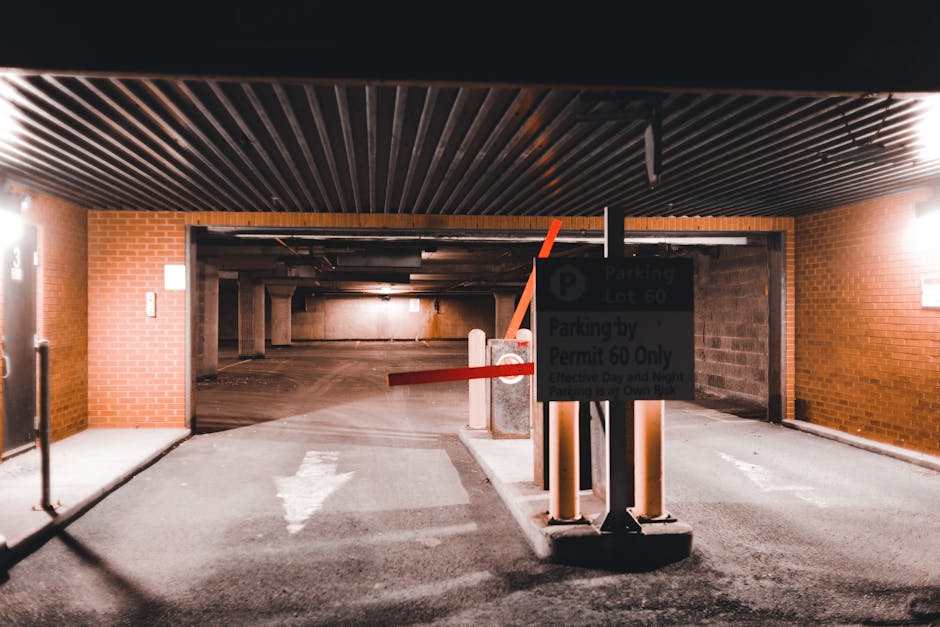
Why Hackney Council parking permits for Dalston movers matters
Dalston is not the kind of place where a van can always just pull up, unload, and disappear in five minutes. Streets can be tight, parking can be heavily controlled, and loading space is often shared with residents, businesses, and delivery traffic. If you turn up without thinking about parking, you may spend the first half hour of your move just trying to find a workable spot. Not ideal when the mattress is already outside and the kettle is packed somewhere mysterious.
Parking permission matters because moving day runs on timing. The longer the vehicle is parked in an awkward place, the higher the chance of receiving a fine, upsetting neighbours, or causing delays while the crew works around traffic and access issues. For moves near busier Dalston routes, or in streets with limited waiting space, parking planning should be treated as part of the move itself, not an afterthought.
There is also a practical safety angle. A van parked legally and as close as possible to the property reduces carrying distance, reduces fatigue, and lowers the risk of damage to furniture or door frames. That becomes especially important on stair-heavy moves, flat moves, or when you are dealing with awkward entrances. If you want a calmer process overall, it helps to pair parking planning with good packing and route planning, as discussed in this guide to a less stressful move.
Expert summary: In Dalston, parking permission is often less about red tape and more about controlling the moving day chaos. The earlier you plan the van's stopping point, the easier everything else becomes.
How Hackney Council parking permits for Dalston movers works
In plain English, parking permission is about making sure the moving vehicle can stop legally and safely near your home for long enough to load or unload. Depending on the exact street and time of day, that may mean using a suspended bay, a loading bay, a temporary parking arrangement, or another form of permission or exemption that fits the location. The details can vary, so you should always check the rules for the specific road, not just assume one solution works everywhere.
For many Dalston moves, the key question is not simply "Can the van park?" but "Can it park here without interrupting traffic, breaching restrictions, or forcing everyone to carry heavy items too far?" That matters on roads with resident permits, controlled parking zones, or timed restrictions. If your move is around busy local streets, you may need to work backwards from the parking situation before you book the collection window.
As a rule of thumb, the move becomes easier when you identify the parking constraints early, then build the rest of the schedule around them. That includes loading times, key collection, lift access, dismantling bulky items, and any extra stops. If you are still in the planning stage, it may help to review practical packing guidance in this packing article and use it alongside your parking plan.
In real-world terms, the process often looks like this: check the street restrictions, find out whether the van can legally stop near the property, allow enough time for loading, and make sure the driver knows the access route before arrival. Simple on paper. Slightly less simple when a school run is happening outside the building and half the street is already occupied.
Key benefits and practical advantages
Getting the parking side right delivers more than convenience. It can genuinely change the whole shape of the day.
- Less carrying distance: fewer steps between the van and the property means faster loading and less physical strain.
- Lower risk of delays: the team can get on with the move instead of searching for legal parking.
- Reduced damage risk: shorter carrying routes lower the chance of bumping walls, bannisters, or furniture corners.
- Better time control: a permitted or planned parking spot helps keep the move on schedule.
- Fewer parking fines or disputes: you reduce the chance of avoidable penalties or complaints.
There is another benefit people often overlook: mental bandwidth. When parking is sorted, you stop worrying about the van and start dealing with the actual move. That sounds small, but it matters. You can focus on the box labels, the keys, the lift, the sofa, the fragile bits. One less thing nagging at you in the background.
For example, if you are moving a heavy dining table or a tight-corner sofa, the difference between parking 10 metres away and 100 metres away is huge. The effort adds up quickly. That is why some moves are planned together with guidance on heavy-object lifting and practical handling tips, especially where access is awkward.
Who this is for and when it makes sense
Not every Dalston mover will need formal parking permission, but many will benefit from planning for it. It makes the most sense if you are moving from or to a street with restricted parking, a narrow terrace, a flat above street level, or an area where commercial traffic already competes for space.
This is especially relevant if you are:
- moving from a flat on a busy Dalston road
- using a removal van or man-and-van service
- moving furniture with a short loading window
- relocating around school-run or peak traffic periods
- moving bulky items, fragile items, or multiple rooms' worth of belongings
- working to a same-day or last-minute schedule
It also makes sense for tenants with limited control over building access. If the landlord, building manager, or concierge is involved, you may need more coordination than you first expect. And if you have stairs, narrow turns, or awkward entrance steps, the parking location becomes part of the safety plan, not just an admin task.
Student movers often need this planning too. A student flat on a busy residential street might seem simple until the van has nowhere legal to wait. In those cases, the parking question is tied closely to timing and load management. For that sort of move, it is worth thinking about the full route, not just the front door.
Step-by-step guidance
1. Check the street conditions first
Before you book anything, take a proper look at the road. Are there marked bays? Double yellow lines? Loading restrictions? Resident permit bays? School keep-clear markings nearby? These details shape what is possible. If you are not sure, note the exact location and compare it against the local rules for that street.
2. Match the parking plan to the type of move
A small flat move and a full house move do not need the same parking setup. A couple of boxes and a bed frame might only need a short stop. A full two-bed flat with a fridge, wardrobes, and a sofa will need more generous access and likely more time. To be fair, this is where a lot of people underestimate things. The van is only one part of the operation; the loading rhythm is the other.
3. Build in time for access delays
Do not assume the van will arrive, stop, and start immediately. Drivers may need to navigate traffic, unload carefully, or wait for lift access or key handover. In Dalston, even a five-minute delay can turn into fifteen if the street is busy. If the move is near a station, market route, or busy junction, allow a buffer. If you need help with timing in the local area, this timing guide for moving near Kingsland Station is useful background.
4. Speak to the moving team early
Tell your movers about the parking situation as soon as you can. If there is a tight approach, a narrow turn, or limited waiting space, say so upfront. A good team will use that information to decide van size, crew size, route, and arrival timing. It is much easier to change the plan before moving day than while the first sofa is hovering in the hallway.
5. Prepare the building access
Parking only solves half the problem. Make sure the route from the van to the property is clear, safe, and ready. That means doors unlocked, hallway clutter removed, lift booked if needed, and fragile items separated. If your move includes dismantled furniture, blankets, or boxed-up appliances, have those grouped together so the load sequence makes sense. A useful companion read here is how to clear clutter before relocating.
6. Re-check the day before
Parking conditions can change. Temporary suspension signs appear. Roadworks pop up. Deliveries get scheduled. Even weather can affect access. A quick re-check the day before moving is a small task that can save a lot of grief. One phone call or one extra walk down the street can make the difference between a smooth start and a scramble at 8:00 a.m.
Expert tips for better results
Here is the sort of practical advice that tends to make a real difference.
- Choose a morning slot if possible: the earlier part of the day often offers fewer parking battles.
- Keep a backup plan: know the nearest alternative stopping point in case the first option is blocked.
- Use one person as the parking contact: too many people making assumptions can create confusion very quickly.
- Pre-sort by room: it speeds up loading and helps the team work more efficiently once the van is parked.
- Think about unload order: place first-needed items near the back of the van so they come out first.
If you are moving something delicate, such as a piano or a large wardrobe, parking precision becomes even more important. You want the shortest sensible route from vehicle to property. No one enjoys carrying a heavy instrument through a bottleneck, especially not after a long climb of stairs. For specialised items, it may be worth reading why DIY piano moving can go wrong and looking at professional piano removals in Dalston as part of the wider plan.
Another small but helpful habit: take photos of any parking signs on the day before the move. That way, if you need to explain the arrangement to a driver or crew member, you have the details to hand. Very old-school, perhaps, but it works.

Common mistakes to avoid
Most parking headaches on moving day come from a few predictable mistakes. The good news is they are all avoidable.
Leaving parking until the last minute
This is the biggest one. People spend days boxing plates, wrapping lamps, and taping drawers shut, then assume the van will "sort itself out". It rarely does. A bad parking choice can slow the whole move down before the first box even leaves the room.
Assuming any van will fit anywhere
Dalston streets can be awkward. A van that looks manageable on a quiet Sunday may feel very different once parked next to bins, delivery vehicles, and a row of resident cars. Always think about width, turning space, and unloading distance, not just whether the van can physically stop.
Forgetting about building access
Parking near the property is no use if the front door is blocked, the lift is out of service, or the hallway is full of clutter. Access planning should happen alongside parking planning. If you need a reminder of why access and carrying technique matter, this lifting guide gives a useful perspective.
Not telling movers about restrictions
If the moving crew arrives expecting a simple curbside unload and finds a narrow residential street with timed restrictions, the day can become messy fast. Clear information is much better than optimism. Optimism is lovely, but it does not reserve a bay.
Overpacking the timetable
If you have to unload into a permit-controlled street, then collect keys, then return for a second load, the schedule needs breathing room. Packing the day too tightly usually creates avoidable pressure. A more generous plan almost always feels calmer.
Tools, resources and recommendations
You do not need a complicated toolkit to handle parking and moving logistics well. A few simple resources can do most of the work.
- Street photos: useful for showing movers the layout and any pinch points.
- Notepad or phone notes: record bay locations, time restrictions, and building access instructions.
- Box labels: help loading happen in a sensible order once the van is parked.
- Tape measure: useful for checking furniture width against tight doorways and turns.
- Protective blankets and wraps: especially important when the parking distance is longer than expected.
For a smoother packing process, a practical article on packing materials and boxes in Dalston can help you prepare items in a way that loads efficiently. If your move also involves storing anything temporarily, this guide on storage in Dalston may be useful while you are organising the transition.
And if you are trying to work out the right level of support for your move, it helps to compare move types rather than guessing. A small man-and-van job, for example, is not the same as a full house relocation. A little planning really does save a lot of legwork later.
Law, compliance, standards, or best practice
Parking arrangements in London are governed by local road rules, bay restrictions, traffic regulations, and enforcement practices. That means the safest approach is always to treat parking as a compliance issue, not just a convenience question. If a bay is restricted, a permit or other lawful arrangement may be required. If loading is only allowed for a limited time, the move needs to fit within that window.
Best practice is straightforward:
- check the exact street restrictions before moving day
- avoid relying on guesswork or "everyone else does it" logic
- keep any permission details clear and visible for the driver
- plan loading so the vehicle is not blocking traffic longer than necessary
- respect neighbours, access routes, and building rules
From a risk point of view, this is not just about fines. Poor parking can create safety issues, obstruct emergency access, and make lifting heavier or more awkward than it should be. A tidy, lawful setup is always the better standard. If your move also involves health and safety considerations, it is worth reviewing the company's health and safety approach as part of your decision-making.
Where exact permit rules, bay timings, or exemptions are concerned, use the latest local guidance for the specific street. Details can change, and it is better to confirm them than to rely on memory from a move years ago. Time and traffic have a habit of making fools of us all.
Options, methods, or comparison table
There is more than one way to handle parking for a move in Dalston. The right option depends on the street, the property, and how much time you have.
| Approach | Best for | Pros | Watch-outs |
|---|---|---|---|
| Plan your own parking arrangement | Simple moves with clear street access | Flexible, low-cost, good if you know the area well | Easy to misjudge restrictions or loading time |
| Use a moving team familiar with Dalston streets | Busy roads, awkward flats, tight access | More practical local experience, less guesswork | Still needs accurate information from you |
| Choose a smaller vehicle or staged move | Narrow roads, limited stopping space | Easier to park, easier to manoeuvre | May require more trips |
| Book extra time for loading and unloading | Large homes or heavy furniture | Less rush, better safety margin | May cost more time overall |
For many Dalston movers, the best route is a mix of local knowledge, realistic timing, and a vehicle size that matches the street rather than the dream version of it. If you need an alternative on the day, same-day support can be a life-saver, which is why some people also look at same-day removals in Dalston when plans change quickly.
Case study or real-world example
Imagine a second-floor flat move off a busy Dalston side street. The customer has a sofa, a bed, several boxes of books, and a fridge. On paper, it sounds manageable. In reality, the street has limited waiting space, nearby residents are using the bays, and a delivery vehicle is already double-parked by the time the crew arrives.
Now compare two versions of the same move. In the first version, nobody checks the parking setup early. The van has to stop farther away, carrying distance increases, and the team spends extra time navigating between parked cars and pedestrians. The move still happens, but it feels longer, louder, and more stressful than it needed to.
In the second version, the parking situation is checked in advance. The movers know the best stopping point, the customer has cleared the hallway, the bed is dismantled ahead of time, and fragile items are boxed properly. The crew can unload in a more controlled way, and the whole move feels noticeably lighter, even though the furniture is the same. That is the real value of planning. Less friction. Less noise. Less faff.
That sort of preparation also pairs well with local access advice, especially for narrow entrances and stair-heavy buildings. If your move involves a tricky flat entrance, you may also find tips for narrow entrances on Dalston Lane useful for thinking through the route before moving day.
Practical checklist
Use this as a quick last check before the van arrives.
- Confirm the exact moving address and street layout
- Check parking restrictions and any loading limits
- Tell the mover about narrow roads, entrances, or stairs
- Set aside keys, paperwork, and phone chargers
- Label boxes by room and priority
- Disconnect and prepare appliances if needed
- Clear hallways, landings, and the route to the door
- Protect floors, corners, and fragile surfaces
- Have a backup parking idea in case the first spot is unavailable
- Keep a contact person available on the day
One practical extra: if you have bulky waste or items you are not taking with you, deal with them before moving day if possible. It makes parking and loading far easier. For that side of the job, bulky waste removal help in Dalston is a relevant read.
Conclusion
Parking may not be the glamorous part of moving, but in Dalston it can be one of the most important. If you understand how Hackney Council parking permits for Dalston movers fit into the wider plan, you will avoid a lot of last-minute stress and give yourself a far better chance of a clean, efficient move.
The big idea is simple: check the street, plan the access, build in time, and make sure the van can stop legally and sensibly near the property. Do that, and the rest of the day tends to feel more manageable. Less rushing, fewer surprises, and a lot less strain on your back.
Get a free quote today and see how much you can save.
And if you are still in the planning stage, take it one step at a time. Good moving days are rarely magical; they are usually just well prepared. That is reassuring, really.