Dalston Lane flat moves: tips for narrow entrances
Posted on 13/05/2026
Moving out of a flat on Dalston Lane can feel perfectly manageable right up until you meet the entrance. Then the real puzzle starts: tight doorways, awkward stair turns, narrow hallways, basement railings, and that one wardrobe which seemed smaller in the old place. If you are planning Dalston Lane flat moves: tips for narrow entrances, the good news is this is a very solvable problem with the right prep. The trick is not brute force. It is planning, measurement, and knowing when a piece of furniture needs to be angled, dismantled, wrapped, or simply moved by someone who does this every day.
In this guide, we will walk through the practical side of a narrow-entrance flat move in plain English. You will learn how to measure access properly, protect your belongings, reduce the risk of damage, and decide whether a man and van, full flat removals, or specialist furniture support is the smarter route. A few small decisions made early can save a lot of sweat later. And yes, sometimes that means admitting the sofa is not going to make the corner without a plan. Truth be told, that happens more often than people expect.

Why Dalston Lane flat moves: tips for narrow entrances Matters
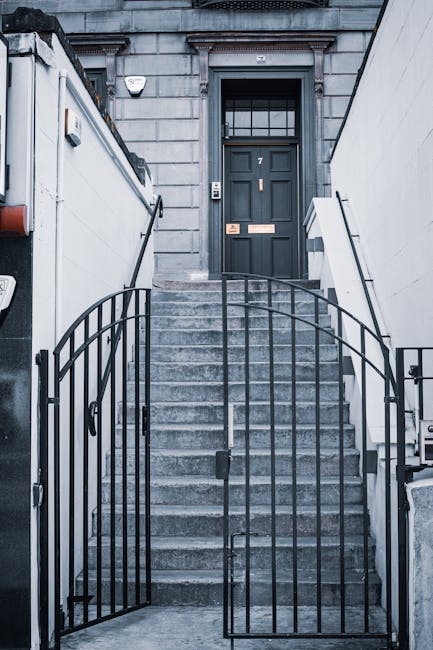
Dalston has plenty of period conversions, split-level flats, upper-floor homes, and buildings that were never designed with modern furniture in mind. That matters because the entrance is often the main bottleneck in the entire move. A front door might be only slightly too narrow for a sofa, but once you add a stairwell bend, a light fitting, and a handrail that sticks out just enough to be annoying, the problem grows fast.
For flat moves on Dalston Lane, narrow entrances matter for three main reasons:
- Safety: tight manoeuvres increase the risk of personal injury and dropped items.
- Damage prevention: door frames, paintwork, bannisters, and furniture edges are easy to scuff.
- Time and stress: what looks like a quick lift can turn into multiple failed attempts and a very long afternoon.
The move is rarely difficult because the items are impossible. More often, it is difficult because the route is underestimated. A cupboard that would glide out of a spacious ground-floor house can become a stubborn, awkward beast in a narrow stairwell. If that sounds familiar, you are not alone. We see this pattern all the time in flat removals in Dalston, especially where access is compact and parking is limited at the same time.
It also matters commercially. If you are comparing service levels or trying to decide whether you need help, a precise access plan can make quotes more accurate and reduce delays. That is where good preparation pays for itself. Not glamorous, but absolutely useful.
How Dalston Lane flat moves: tips for narrow entrances Works
A successful narrow-entrance move starts before moving day. The core process is simple enough: measure, sort, protect, dismantle where needed, and move in the right order. The nuance is in the details. Which item goes out first? Can the wardrobe be tilted safely? Is the door hinge removable? Can the mattress be bent slightly, or does it need a protective sleeve and two people? These questions sound small, but they shape the whole day.
Here is the basic workflow that usually makes the difference:
- Assess the route. Measure the door width, hallway turns, stair width, ceiling height at landings, and any outdoor pinch points.
- Identify problem items. Sofas, beds, wardrobes, freezers, pianos, desks, and big appliances are the usual suspects.
- Decide what can be dismantled. Flat-pack furniture often needs only modest disassembly, while larger pieces may need partial stripping down.
- Pack for the route. Use stronger boxes, secure lids, and protective wrapping so items do not shift while being angled through tight gaps.
- Move in sequence. Clear easy items first, then tackle the heavy or awkward pieces once the route is open.
In practice, narrow-entry moves are less about strength and more about geometry. A bulky object often becomes moveable when rotated diagonally, tipped onto an edge, or lifted slightly above a rail. Sometimes the difference is just a few centimetres. Sometimes it is a change of angle and a calmer mindset. If you want a deeper refresher on loading, wrapping and timing, this packing guide for moving house is a solid companion read.
And one more thing: do not assume all the strain belongs to the person lifting. The route itself matters just as much. A badly prepared hallway can make even light items awkward. A well-prepared route can make surprisingly heavy things feel manageable. Oddly satisfying, that.
Key Benefits and Practical Advantages
Planning for a narrow entrance is not just about avoiding disaster. It changes the whole move for the better. You get more control, fewer surprises, and a much better chance of finishing on time. To be fair, that is what everyone wants on moving day, even if they do not say it out loud.
Some of the main benefits include:
- Less chance of damage: carefully measured movement reduces knocks and scrapes on furniture and walls.
- Faster progress: when the route is clear and the right items are dismantled, the move keeps flowing.
- Lower stress: a plan removes a lot of the uncertainty that makes moving feel chaotic.
- Better use of labour: you avoid wasting energy on items that should have been prepped differently.
- Smarter service choice: you can decide whether man and van support in Dalston, a full service, or specialist lifting is the right fit.
There is also a money angle, though it is usually indirect. Preventing one broken mirror, one cracked table edge, or one damaged bannister can easily be worth more than the effort spent planning properly. And if an item needs short-term storage while the new access is being sorted, storage in Dalston can take pressure off the move day itself.
Expert summary: Narrow-entrance moves go best when you treat access as part of the inventory. Measure the route, not just the furniture. That one habit solves a surprising number of problems.
Who This Is For and When It Makes Sense
This approach is for anyone moving from or into a flat where access is not generous. That might be a first-floor conversion on Dalston Lane, a top-floor apartment with a sharp stair turn, or a compact building entrance with a shared corridor that does not leave much wriggle room.
It makes particular sense if you are:
- moving a sofa, wardrobe, bed frame, mattress, or piano;
- trying to move on your own or with limited help;
- working within a tight time window;
- concerned about scuffing walls or damaging shared areas;
- dealing with awkward parking and short carrying distances;
- not sure whether your furniture will actually fit out of the property.
This is also relevant for students, renters, and anyone who has picked up second-hand furniture online without checking the dimensions against the route. We have all seen it happen. The item looks perfect in the listing. Then it arrives, and the hallway says otherwise.
If your move involves a mix of bulky furniture and boxes, you may also benefit from packing and boxes in Dalston, especially if you want sturdier materials and a more organised loading order. People doing student moves often find this kind of planning helpful too, which is why student removals in Dalston can be a practical fit for smaller but still awkward flats.
Step-by-Step Guidance
If you want the move to feel controlled instead of improvised, follow this order. It is not fancy. It just works.
1) Measure every pinch point
Measure the front door, internal doors, stair width, landing corners, and the height of low ceilings or overhead fixtures. Do not guess. A tape measure and five minutes of calm attention can prevent a lot of drama later. If the furniture is large, measure it in its widest and tallest position, including handles, feet, and protruding corners.
2) Identify what must be dismantled
Some items are much easier to move in parts. Beds, certain tables, shelving units, and wardrobes often benefit from partial disassembly. If you are moving a bed, it is worth reading this guide to moving beds and mattresses before you start unscrewing things at random. Bed frames can go from awkward to manageable very quickly.
3) Clear clutter first
Before anything goes out, remove loose items, empty drawers, and separate breakables from furniture. It sounds obvious, but in real life people often start moving too early. That is usually when the dropped coat hanger or stray charger cable appears at the worst possible time. If you need a stronger reset, these clutter-clearing steps before relocating are genuinely useful.
4) Protect surfaces and corners
Wrap corners, tape loose parts, and protect railings or door frames with blankets or cardboard where appropriate. You are not trying to create a museum. You are trying to avoid visible scuffs in places everyone will see. For upholstered pieces, sofa protection guidance is handy even if you are not storing the item for long.
5) Plan the order of removal
Take out the smallest and easiest items first, especially if they help create space. In some flats, removing a side table or boxed items first opens the route enough for the bigger things. That little bit of breathing room can be the whole game.
6) Use the right lifting method
If you are lifting on stairs or through narrow doorways, keep the load close to the body, communicate clearly, and move in short controlled steps. If you want a refresher on body mechanics, kinetic lifting explained gives a clearer picture of why posture and leverage matter. This is one of those things people tend to ignore until their back says hello.
7) Decide when to stop and rethink
If the furniture jams, the route twists, or someone is losing grip, stop. Reset. A different angle, a temporary removal of the door, or a two-person lift may solve the issue. Pushing through because you are nearly there is how dents happen.
Expert Tips for Better Results
These are the little choices that often separate a neat move from a messy one.
- Remove doors if needed. A door can eat precious centimetres. Taking it off its hinges is sometimes the simplest fix.
- Use blankets strategically. Soft protection helps with both grip and surface protection, especially around tight corners.
- Check the new place too. A narrow old flat is one issue; a narrow new flat with an even smaller hallway is another.
- Keep hardware in labelled bags. Screws and brackets vanish easily in the rush. Label them before they disappear into the void.
- Use soft-glove handling for polished surfaces. It reduces slipping and fingerprints. Small thing, but useful.
- Load the van with the exit route in mind. Put the first item out near the back for quick access if the van layout allows it.
A realistic example: a wardrobe that is too tall to stand upright in the stairwell may still leave in a diagonal tilt if the door is removed and the landing is cleared. Another example: a mattress that looks too wide can sometimes move more easily once it is bent very slightly at the centre, provided the manufacturer's structure allows it. If in doubt, do not force it.
For heavier pieces, it can be sensible to use a dedicated service rather than relying on friends and hope. Furniture removals in Dalston are often the best fit when the item is bulky, valuable, or just too awkward for casual handling. And if the item is a piano, that becomes a different conversation entirely. A very different one.
One more practical note: if you need to move something heavy by yourself while waiting for help, read solo strategies for heavy object lifting first. Not because it makes you invincible. It does not. But it does reduce the silly mistakes.
Common Mistakes to Avoid
Narrow-entrance moves usually go wrong in predictable ways. The good news? Most of them are avoidable.
- Skipping measurements. Guessing based on sight alone is how people end up stuck halfway through a doorway.
- Forgetting protruding parts. Handles, feet, hinges, and trim can be the difference between fitting and failing.
- Trying to force furniture through. If it resists, do not just lean harder. Reassess the angle.
- Leaving clutter in the route. Shoes, lamps, and loose bags on the floor become trip hazards very quickly.
- Using too few people. A heavy object in a narrow stairwell can need one person guiding, one person lifting, and one person spotting. Sometimes that is the difference.
- Ignoring building protection. Shared hallways and entrances can be easily marked, which is awkward in a flat block where neighbours notice everything.
- Underestimating valuable items. If you own a piano, a large mirror, or a specialist appliance, do not treat it like a standard box.
There is also the classic mistake of packing everything before confirming that the biggest items will actually leave. It sounds efficient. It often is not. If you suspect a larger item may need a specialist plan, it may be worth speaking to removal services in Dalston early instead of discovering the issue on moving morning.
And yes, sometimes the mistake is emotional rather than technical. People get tired, rush, and then make a decision they would not make after a cup of tea and ten minutes. Happens to the best of us.
Tools, Resources and Recommendations
You do not need a van full of professional gear to handle a narrow-entry move, but the right tools make a meaningful difference. A few simple items go a long way.
| Tool or resource | Why it helps | Best used for |
|---|---|---|
| Tape measure | Confirms whether furniture will fit through doors and turns | Route planning and item checks |
| Furniture blankets | Protects corners, paintwork, and polished surfaces | Sofas, tables, wardrobes |
| Ratchet straps | Keeps loads stable during carrying or transit | Heavy or tall items |
| Gloves with grip | Improves handling and reduces slips | Boxes, appliances, awkward edges |
| Labelled bags for hardware | Prevents screws and fittings from going missing | Flat-pack furniture, beds, shelving |
| Sturdy boxes and packing materials | Protects contents and keeps the move orderly | General packing and fragile items |
If your packing supplies are still in question, packing and boxes in Dalston is a useful place to start. If you need help choosing between options, the services overview gives a broader picture of what different move types cover.
For some households, a short- notice move is not ideal, but reality has a habit of being inconvenient. If timing is tight, same-day removals in Dalston may be worth considering, though you still want access measurements ready before anyone arrives. That part does not change.
And if you are trying to compare service levels or budget options, pricing and quotes is the sensible next stop. It is a lot easier to compare properly when you know exactly what the narrow entrance involves.
Law, Compliance, Standards, or Best Practice
For a domestic flat move, the biggest compliance questions are usually practical rather than legal. That said, best practice still matters, especially in shared buildings where corridors, stairwells, and entrances are communal areas.
A few sensible standards to keep in mind:
- Protect communal property. Hallways, doors, and stair rails should be treated carefully to avoid damage and complaints.
- Follow building rules. Some blocks have moving-hour preferences, lift booking requirements, or access instructions. Check in advance.
- Use safe lifting practices. If an item is too heavy or awkward, do not improvise beyond what is sensible for your ability.
- Keep access clear. Avoid blocking exits or leaving obstacles in shared routes.
- Check insurance and responsibility. If you are using a removal provider, ask what is covered and what preparation is expected from you.
In the UK, moving safety also has a common-sense side. A reliable mover will usually expect reasonable access information upfront, and a customer should expect honest guidance if an item looks too large for the route. That open conversation prevents frustration later. If you want to understand the broader safeguards and expectations, insurance and safety information is worth reading before you confirm the job.
There is also a privacy and admin side to any booking process, especially if you are sharing contact details, access notes, or building instructions. For that, the company's privacy policy and terms and conditions are the right places to check. Not exciting, no. Still useful.
Options, Methods, or Comparison Table
Not every narrow-entrance move needs the same level of support. The right approach depends on the furniture, your budget, and how awkward the access really is.
| Method | Best for | Strengths | Trade-offs |
|---|---|---|---|
| DIY with helpers | Smaller flats and light furniture | Flexible, lower direct cost | Higher physical effort, more risk if access is tight |
| Man and van | Compact moves with some bulky items | Good balance of cost and support | May still require dismantling or extra prep |
| Full flat removal service | Multiple rooms or awkward access | More hands, better coordination, less stress | Usually costs more than a basic van service |
| Specialist furniture or piano support | Heavy, valuable, or fragile items | Lower risk to the item and building | Best booked in advance and not always suitable for last-minute moves |
For a one-bed flat with a narrow stairwell, a compact vehicle and a careful loading plan may be enough. For a larger flat with several heavy pieces, a removal van in Dalston paired with experienced handling is often the more sensible call. If the move also includes office items, the access logic is similar, but the pace and packing structure change a bit. Similar problems, different wrappers, basically.
If you are deciding between providers, removal companies in Dalston can be compared on experience, insurance approach, flexibility, and how clearly they explain access requirements. That clarity is worth a lot on a cramped street where parking is not exactly generous.
Case Study or Real-World Example
Here is a realistic example from a typical Dalston-style flat move. A tenant needed to move out of a first-floor flat with a narrow hallway, a sharp turn at the top of the stairs, and a fairly solid two-seater sofa that had served its time. At first glance, it looked like a simple two-person lift. It was not.
The team measured the front door, checked the stair landing, and removed the sofa feet to save a small but important amount of height. They also wrapped the corners so the fabric would not rub against the bannister. The hallway itself was cleared completely, including a small side table that was not in the way until it suddenly was. Of course it was. That is how these things go.
The first attempt without angling the sofa failed. No drama, just a dead end. The second attempt worked after the sofa was rotated diagonally and one person guided the top edge while the second controlled the base. The move took a bit longer than expected, but nothing got marked, no one strained a shoulder, and the sofa left the building without leaving a little trail of damage behind it.
The key lesson was simple: the successful route was not obvious until they slowed down and examined the space properly. That is the heart of Dalston Lane flat moves: tips for narrow entrances. It is rarely about being stronger. It is about being a bit more deliberate than the doorway expects.
Practical Checklist
Use this checklist the day before, or even two days before if you can. It keeps the move grounded.
- Measure all doors, hallways, stairs, and tight corners.
- Check furniture dimensions, including handles and feet.
- Decide what must be dismantled.
- Label screws, fittings, and hardware bags.
- Clear the entrance, hallway, and landing of clutter.
- Protect floors, bannisters, and door frames.
- Pack fragile items separately and securely.
- Confirm parking and access arrangements for the van.
- Book enough helpers for heavy or awkward items.
- Keep water, tape, gloves, and basic tools close at hand.
- Have a backup plan for items that do not fit on the first try.
If there is one thing to do before the rest, it is the measuring. Everything else becomes easier once the route is understood.
Conclusion
Narrow entrances do not have to turn a Dalston Lane flat move into a stressful, expensive headache. With a few careful measurements, the right packing approach, and a sensible plan for awkward furniture, you can keep the day under control and avoid the most common problems. That means fewer scrapes, fewer delays, and a lot less standing in the hallway wondering how a sofa got this far in the first place.
The best moves are rarely the loudest ones. They are the prepared ones. If you plan your route, protect your furniture, and ask for the right help at the right moment, the whole experience becomes much more manageable. Not effortless, maybe, but definitely better.
If you are still comparing options or want clearer guidance before the big day, it is worth reviewing the available service pages and support information so you can choose the right level of help for your flat and access conditions.
Get a free quote today and see how much you can save.
And if you do nothing else today, measure the doorway. It is a small task, but a very good one.